Pegula Criticises Vondrousova’s Four-Year Doping Ban: ‘I Don’t Think It’s Fair

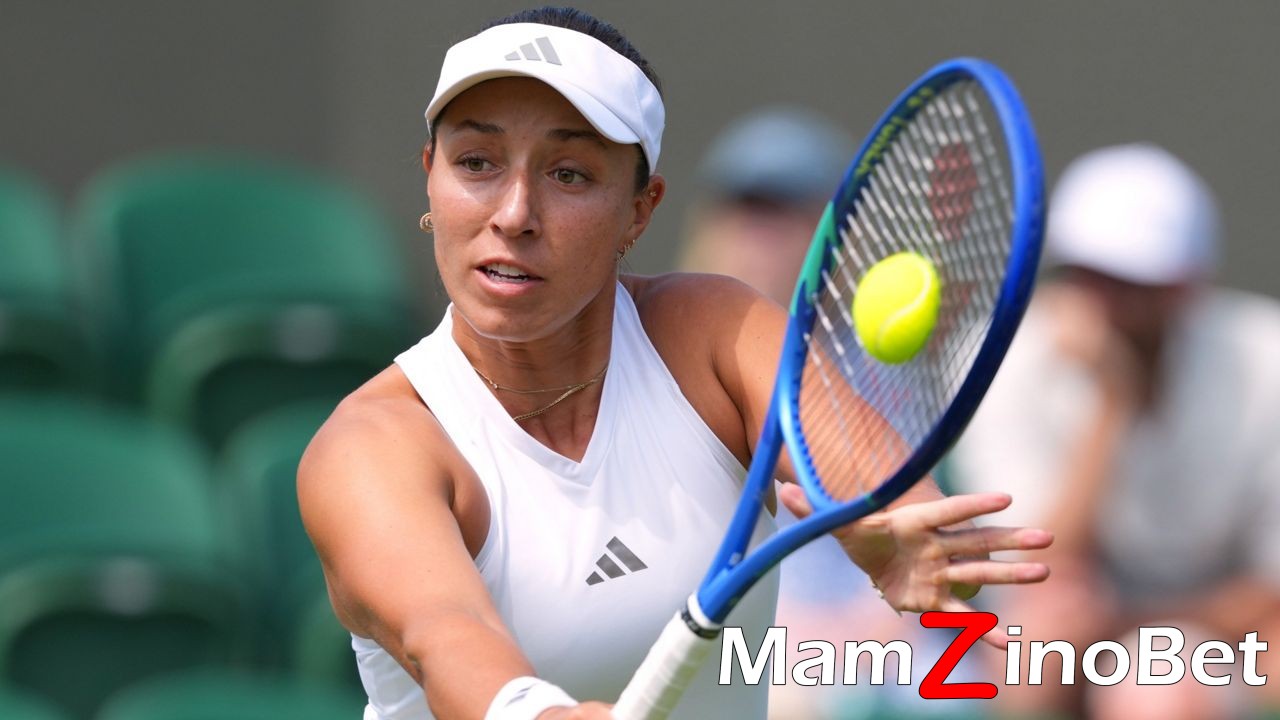
Jessica Pegula has criticised the four-year suspension handed to former Markéta Vondroušová after the Czech player failed to complete an anti-doping test.
Vondroušová was reportedly unable to provide a sample after being approached by a doping control officer during an out-of-competition test at her home in December 2025.
The 27-year-old former Wimbledon Championships champion, who won the title in 2023, said that months of physical and mental pressure influenced her decision-making, along with concerns over her personal safety.
Under anti-doping rules, players must submit their whereabouts and be available for testing during a designated hour each day, including outside tournament periods.
The suspension has created debate across the tennis community, with Pegula sharing her concerns following her first-round Wimbledon victory over Darja Vidmanova.
Pegula said she did not know all the details of the case but felt the punishment appeared extremely severe. She argued that a four-year ban could seriously damage a player’s career, especially if the situation resulted from a misunderstanding.
She added that while the rules are important, she believes the penalty was too harsh and unfair given the circumstances.
Markéta Vondroušová, who has denied any wrongdoing by stating she “never doped”, is reportedly considering an appeal against her suspension at the Court of Arbitration for Sport.
Jessica Pegula said she was unsure whether Vondroušová would take the case further but argued that there should be a way to avoid ending a player’s career over an incident where no positive test was recorded.
The length of Vondroušová’s ban has also drawn attention when compared with previous cases involving reigning Wimbledon champions Jannik Sinner and Iga Świątek.
Sinner accepted a three-month suspension last year after reaching an agreement with World Anti-Doping Agency in 2024. The Italian had tested positive for the banned substance clostebol but was later cleared by an independent tribunal, which ruled that he was not at fault.
World Anti-Doping Agency had initially pushed for a suspension of between one and two years for Jannik Sinner and challenged the earlier ruling at the Court of Arbitration for Sport before the Italian eventually agreed to serve a shorter three-month ban.
Meanwhile, Iga Świątek received a one-month suspension in 2024 after testing positive for a banned substance.
The International Tennis Integrity Agency accepted that Świątek’s case was the result of contamination involving regulated non-prescription melatonin, which was produced and sold in Poland and used by the player to help with jet lag and sleep problems.
Pegula questioned the difference between these cases and Vondroušová’s situation, saying she understood that a punishment was necessary because refusing a test is a serious violation, but felt the outcome should be viewed with more common sense.
She added that while players must follow anti-doping rules, the severity of the punishment in Vondroušová’s case appeared difficult to understand compared with previous cases.
Share this content: