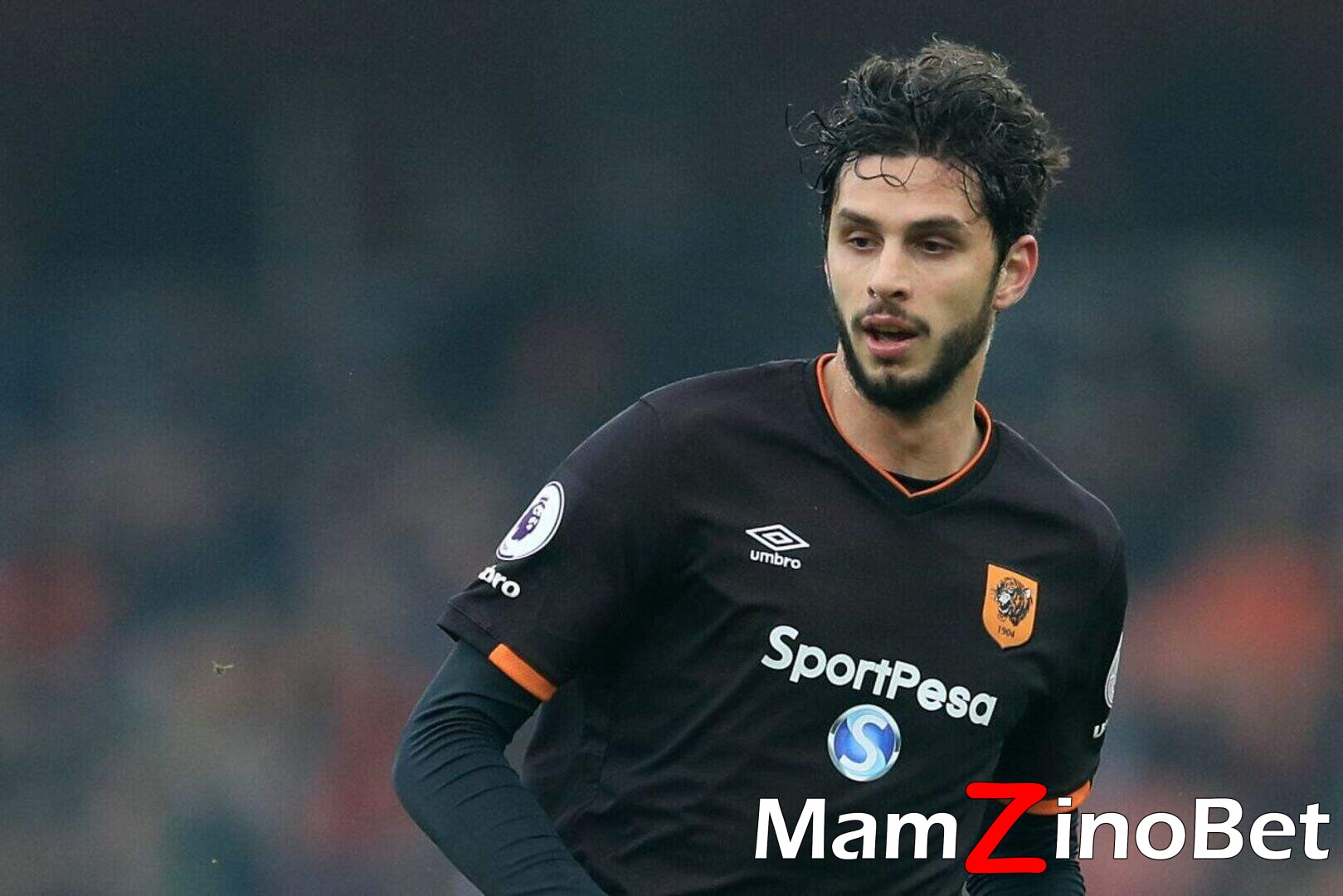
EXCLUSIVE: Ranocchia on mental health, pressure and life after Inter

EXCLUSIVE: Andrea Ranocchia opens up on mental health, pressure and life beyond football
Mental health remains an often-overlooked subject in football, despite its significant impact on players both on and off the pitch. Following a previous discussion on the topic with Gregory van der Wiel, former Italian defender Andrea Ranocchia offers another valuable perspective on the psychological challenges athletes face throughout their careers.
In this exclusive interview with Flashscore, the former Inter defender discusses his experiences with pressure, the importance of psychological support and his decision to establish Athletics Mind, a platform dedicated to helping athletes through psychological guidance and nutritional support.
From challenging the stigma surrounding mental health in sport to reflecting on his time in England and the difficulties of retirement, Ranocchia explains why looking after an athlete’s mind is just as important as developing their physical abilities.
Athletics Mind: Supporting Athletes Beyond the Pitch
How did the idea for Athletics Mind come about?
“Athletics Mind was inspired by my own experiences as a footballer. From childhood through to professional football, I went through many different stages of development. Unfortunately, I only discovered the importance of psychological support in sport relatively late, when I was around 29 or 30. Had I understood its value earlier, I might have approached certain situations differently.
“Every age brings different challenges, and dealing with them without the right support can be extremely difficult. My determination helped me overcome many obstacles, but unfortunately, plenty of young athletes lose their way along the journey.”
Breaking the Silence Around Mental Health in Football
“Fortunately, more elite athletes are beginning to speak openly about their struggles and seek professional help. Mental well-being should be treated just like the technical, tactical and physical aspects of football. Players work with coaches to improve those areas, and psychological support should be considered equally important.
“Unfortunately, this mindset has not yet become widespread. There is a misconception that people should only visit a psychologist when something is wrong. In reality, professional support can help you navigate difficult periods when you lack the tools to manage everything independently.”
The Importance of Nutrition and Psychological Support
Athletics Mind also focuses on nutrition. What approach do you take in this area?
“We have specialists who work in both psychology and nutrition. Programmes are developed according to each athlete’s individual needs, age and chosen sport.
“Following the right diet for your discipline is essential. Nutrition must work alongside psychological well-being and consistent training to help athletes perform at their best.”
Frog Talks: Revealing the Human Side of Footballers
“It was a wonderful experience. Having spent so much time alongside elite footballers, I wanted to explore aspects of their lives that journalists do not always get to see because of the distance between the media and the players.
“Everyone experiences a journey of growth. Even the biggest stars have faced difficult periods, personal crises and significant obstacles.
“They succeeded in reaching the professional level, but sharing the challenges they overcame is extremely important. It allows young players to understand that the road to success is rarely straightforward and that even the greatest athletes face similar struggles.”
Why a Coach Must Understand the Person Behind the Player
“It is incredibly important, and in today’s football environment, it can make all the difference. The coach is effectively the team’s first psychologist.
“Of course, a manager needs a competent support staff, but they must also understand how to communicate with players from different backgrounds, cultures and mindsets.
“The best coaches have an advantage because they understand the individual behind the footballer. People sometimes assume professional players have no real problems, but challenges exist at every stage of a career, from childhood at six years old to life after retirement.”
Hull City Experience Helped Ranocchia Rediscover His Balance
“The way pressure is managed is completely different. Football is followed passionately in England, but once a match finishes, there is not the same level of media and supporter intensity.
“In Italy, we are extremely passionate about the sport, but sometimes that passion goes too far, leading to behaviour that is not appropriate.
“My time in England helped me recharge mentally. It gave me the opportunity to rediscover myself and find a healthier balance in my relationship with football, which had become increasingly complicated during my time in Italy.”
Inter and the Decision to Seek Psychological Help
Was that period when you decided to seek professional support?
“My real breakthrough came at Inter, where the club made a psychologist available to us. I decided to give it a try and immediately felt comfortable.
“My advice to athletes is always to give it a chance. At worst, nothing changes, but at best, it can make an enormous difference to your quality of life and, consequently, your performances on the pitch.”
Life After Retirement: A Difficult Transition for Footballers
“For me, it was a personal and conscious decision, which made it easier to accept. Players who are forced to retire because of injuries or other circumstances often find the transition much harder.
“After following almost the same routine since the age of five, adjusting to an ordinary life can be difficult. That is precisely why support during this period is so important. Without it, people can find themselves caught in a negative cycle that becomes increasingly difficult to escape.”
Returning to His Roots in Assisi
“For me, it was simply returning to normality. I had planned to move back for years because I always wanted to raise my children in the place where I grew up.
“I have a strong connection to my roots and childhood friends, so returning to Assisi felt like the most natural decision.”
Ranocchia Assesses Italy’s National Team Rebuilding Process
“They have enormous experience, although Ranieri is no longer coaching. Managing a national team is always challenging because there is limited time to work with the players, and a great deal depends on the stage of the season when they arrive.
“Mancini has already demonstrated that he can achieve excellent results, and the team’s recent performances have shown encouraging signs.
“However, if Italy wants to compete consistently with the likes of France, England, Spain and Portugal again, it will take years of work to rebuild a strong foundation of talent.”
Can Anyone Challenge Inter for the Serie A Title?
“On paper, I would say no. In recent years, there have not been many teams that have consistently emerged as genuine rivals.
“Of course, football is unpredictable, and different circumstances can change everything. Nevertheless, based on what I see at the moment, I do not believe there are many teams capable of pushing Inter all the way to the final day in the race for the Scudetto.”
Share this content: