Late-night finishes put US Open under fire: ‘This is not normal’


US Open under fire over string of late-night finishes
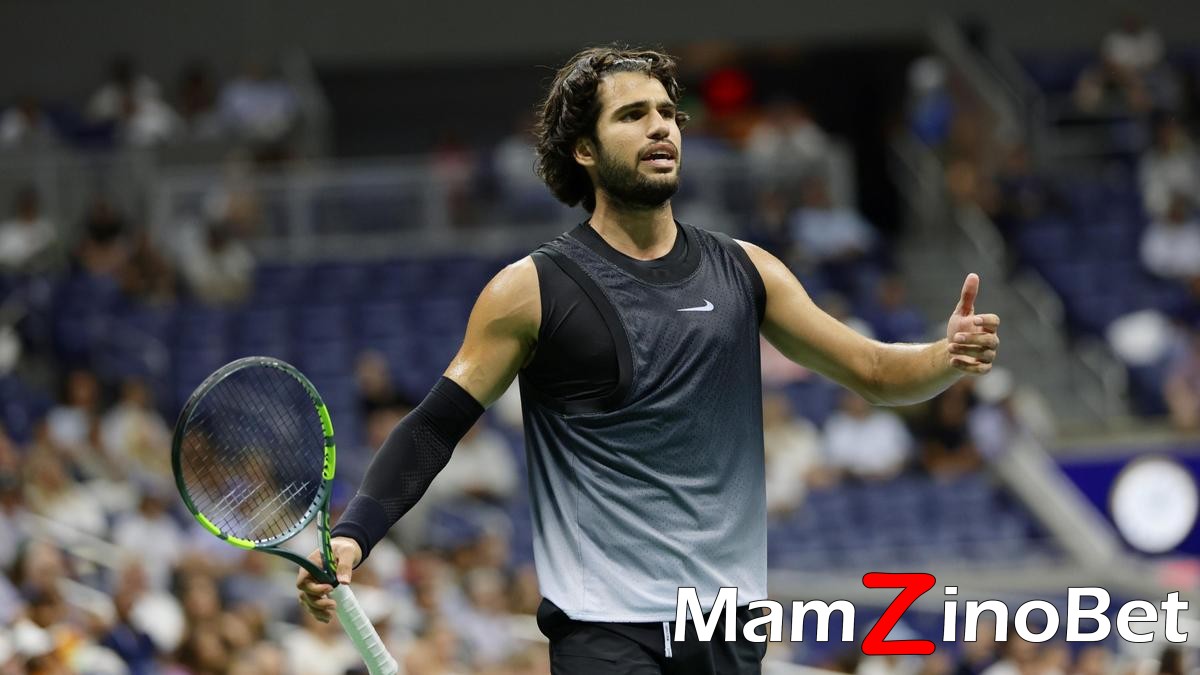
Ben Shelton’s record-breaking late-night victory over Carlos Alcaraz has reignited concerns over scheduling at the US Open, with a series of matches finishing in the early hours prompting calls for a curfew and even proposals to shorten matches.
Shelton’s marathon 4-hour, 28-minute quarter-final victory over Alcaraz ended at 3:34 am on Wednesday, setting a new record for the latest finish in the 145-year history of the US Open.
Late finishes are nothing new at Flushing Meadows. In 2022, Alcaraz himself battled Jannik Sinner until 2:50 am, which had previously been the tournament’s latest-ever finish.
However, this year’s tournament has taken the issue to another level.
Four matches have already finished after 2:00 am, while several other sessions have seen players remain on court beyond 1:00 am.
The Shelton-Alcaraz thriller did not begin until after 11:00 pm on Tuesday, while Venus Williams’ first-round defeat to Sofia Kenin did not get underway until after midnight before eventually finishing shortly after 2:00 am.
The scheduling controversy has attracted criticism from several prominent figures in tennis.
Navratilova Calls for Changes
Writing in response to a post on X, tennis legend Martina Navratilova suggested that the current scheduling format may have reached a breaking point.
Earlier in the tournament, Navratilova called for the US Open to rethink its evening sessions, suggesting that organisers should schedule just one men’s or women’s singles match alongside a doubles match.
The tournament currently places both a men’s and women’s singles match on Arthur Ashe Stadium during its prime-time night session.
That format, however, can create major problems when one or both matches turn into lengthy battles.
“I think they need to fix the night session. It’s too late,” Navratilova said. “I think they should play men’s singles and then maybe a doubles match.”
She added that a similar approach could work if the women’s singles match was scheduled first.
“If you do women’s singles you can still have another doubles match, or another women’s singles. You’ll still get four sets of play minimum,“ she explained.
Navratilova also pointed to the knock-on effect of long matches.
Henman Suggests Protected Start Times
Former British tennis star Tim Henman, who is working at the US Open as an analyst for Sky Sports, believes the tournament’s famous night sessions should remain.
However, he suggested organisers could introduce a system that allows matches to be moved to another court if they have not started by a certain time.
For Henman, the answer is not to eliminate night sessions but to protect players from extremely late starts.
His proposed solution would allow organisers to move the second singles match elsewhere if the first match runs too long.
Such a change could preserve the atmosphere and commercial value of the night sessions while preventing players from starting matches in the middle of the night.
Should Tennis Matches Be Shorter?
Some commentators have suggested an even more radical solution: reducing the length of tennis matches.
Popular American sports podcaster Bill Simmons argued that tennis matches have simply become too long.
“I’ve watched tennis my whole life. I’ve played tennis; I love tennis. Tennis matches are too long,” Simmons said.
He suggested reducing the number of games required to win a set.
The debate comes after Andrew Abdo, chief executive of the organisation that runs the Australian Open, suggested that Grand Slam tournaments could eventually consider changing men’s early-round matches from best-of-five sets to best-of-three.
Such a change would dramatically reduce the possibility of matches extending deep into the night.
Tiafoe Defends Five-Set Tennis
Not everyone agrees that shortening matches is the answer.
US Open semi-finalist Frances Tiafoe remains firmly in favour of the traditional five-set format, despite admitting that playing such matches can be physically demanding.
“Do I love five-setters? Absolutely not,” Tiafoe said. “But it’s tennis, man.”
For Tiafoe, marathon matches are an important part of tennis history.
The comments highlight the difficult balance facing Grand Slam organisers.
On one side, players need reasonable recovery time and should not be expected to compete at extreme hours. On the other, the long five-set battles that can stretch late into the night are a fundamental part of the sport’s tradition and appeal.
The US Open Scheduling Debate
The US Open now faces a growing debate over how to preserve its iconic night-session atmosphere while protecting players from increasingly late finishes.
The record-breaking Shelton-Alcaraz match has brought the issue back into the spotlight, but with several matches already extending beyond 2:00 am, the discussion is unlikely to disappear anytime soon.
Whether the answer is protected start times, moving matches to other courts, changing the night-session format or eventually shortening matches, organisers may have to consider significant changes.
For now, however, the five-set format remains one of the defining features of Grand Slam tennis.
And as long as those marathon battles continue, so too will the possibility of another finish in the early hours of the morning.
US Open 2026
The US Open is the fourth and final Grand Slam tournament of the tennis season. The 2026 edition is being held from August 30 to September 13 at Flushing Meadows in New York City, with matches played on hard courts
Share this content: