What Makes Czech Women’s Tennis So Successful? Inside the Rise of Eight Top-50 Stars

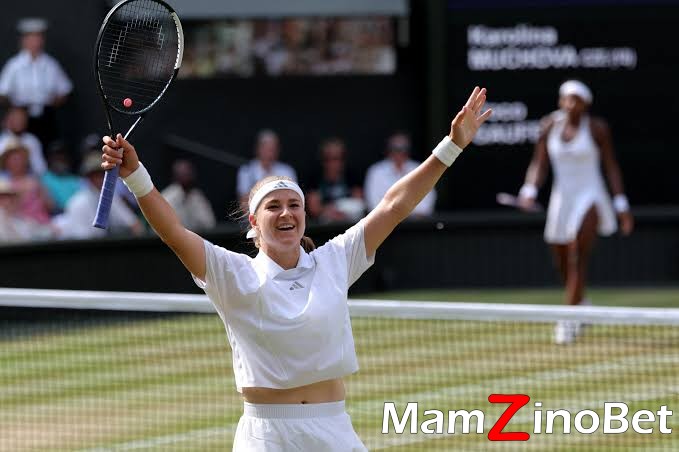
This year’s Wimbledon women’s final once again highlighted the strength of Czech tennis, with Linda Noskova and Karolina Muchova battling for the title. Their success is part of a broader trend that has seen Czech players consistently excel on the sport’s biggest stages, prompting the same question from around the tennis world: what is the secret behind the country’s remarkable production of elite female players?
Several factors are often credited for the Czech Republic’s success, including its rich tennis tradition, well-established development pathways, the commitment of families, and the sacrifices parents make to support young players through training and tournaments. Yet those involved in the sport insist there is no single formula or financial shortcut to success.
Noskova and Muchova represent different generations of Czech tennis. By the time Muchova established herself among the world’s top players, Noskova was still progressing through the junior ranks. Despite their different journeys, they share many of the same qualities that have become synonymous with Czech tennis.
According to respected Czech youth coach Ondrej Dohnal, who has worked with players including Katerina Siniakova, the country’s greatest strength lies in the mentality instilled in its young athletes.
“Humility, hard work and ambition are the qualities that matter most,” Dohnal explained. “You can have the biggest support team at a young age, but without those values you won’t reach the top. When talent is combined with the right mindset, players give themselves the best chance to succeed against anyone.”
Czech women’s tennis has enjoyed an extraordinary run of success at Wimbledon over the past decade. Alongside champions such as Linda Noskova, Barbora Krejcikova, Marketa Vondrousova and Petra Kvitova, the nation has also produced finalists including Karolina Muchova and Karolina Pliskova, while Barbora Strycova and Lucie Safarova reached the semi-finals. Katerina Siniakova has also established herself as one of the sport’s most successful doubles players.
Although each player has followed a different path to the top, they share common traits that extend beyond their technical ability. Their resilience, discipline, work ethic and competitive mentality have become defining characteristics of Czech women’s tennis and continue to underpin the country’s remarkable success on the global stage.
Reflecting on recent Wimbledon champions, one of the most memorable acceptance speeches came from Barbora Krejcikova, who paid an emotional tribute to her mentor, coach and former Wimbledon champion Jana Novotna after lifting the trophy two years ago.
This year’s finalists also left a lasting impression with their post-match addresses. Linda Noskova delivered a heartfelt message of gratitude to her mother, while Karolina Muchova earned widespread admiration for her composed and inspiring words despite finishing runner-up.
“Many players who lose a final struggle with the emotions of the moment and prefer to keep their speech short,” Czech youth coach Ondrej Dohnal said. “They usually thank their team and congratulate their opponent.”
“But Karolina’s speech was incredibly powerful because every word felt genuine. She praised her friend, congratulated her sincerely, and then made it clear that she still believes she can win the Wimbledon title and will return stronger. That was another wonderful advertisement for Czech tennis.”
Muchova’s emotional address, delivered as she fought back tears in front of a packed Centre Court, received a standing ovation and further highlighted the humility, resilience and sportsmanship that have become hallmarks of Czech women’s tennis.
Dedicated coaches behind the scenes
Czech women’s tennis has once again strengthened its position following the Wimbledon tournament. It has two players in the world’s top 10, and no fewer than eight in the top 50! 10 players made it through to the main draw of the grass-court Grand Slam. A miracle for such a small country?
So what exactly is this ‘Czech magic’ that allows a small country in the heart of Europe to hold its own against, say, the United States, which has a population 30 times larger?
When the BBC asked tennis legend Martina Navratilova about this, she didn’t hesitate with her answer: “In the Czech Republic, there are clubs everywhere; every small town has two, three or four clay courts, and there are now far more good coaches.”
The traditional question that Czech female tennis players are routinely asked following their successful performances is explored further by the head coach of one of the leading Czech tennis academies – the one endorsed not only by its name but also by former world number one Karolina Pliskova.
A strong coaching culture is another factor widely credited with the Czech Republic’s sustained success in women’s tennis. According to youth coach Ondrej Dohnal, the country’s widespread access to tennis facilities and experienced coaches gives young players a significant advantage from the very beginning of their development.
“You can find a tennis court in almost every small town or village, and there’s usually a coach nearby who can teach the fundamentals properly,” Dohnal said. “That’s the Czech way, and it’s something many of the traditional tennis powerhouses are missing.”
Dohnal believes the country’s greatest asset is its network of dedicated grassroots coaches, who focus on building solid technical foundations while instilling discipline and the right mindset in young players.
“National federations in countries such as England and Australia may have budgets many times larger than ours,” he explained. “They also benefit from hosting Grand Slam tournaments, which allow them to invest heavily in youth development and provide opportunities through wildcard entries. But the Czech tennis mentality is different. We still have people in the system who devote themselves to developing players with genuine passion.”
However, Dohnal warned that the future of that model could be at risk. Many grassroots coaches, despite playing a crucial role in nurturing the next generation of talent, receive relatively modest pay compared with professionals in other areas of sport.
“These coaches often work for very little considering the value they provide,” he said. “Compared with fitness coaches and other modern sports specialists, they are underpaid, and unfortunately we’re starting to lose some of them.”
While nations such as France, Germany and Great Britain continue to invest significant financial resources into tennis development, Dohnal believes their biggest challenge is not funding but the availability of experienced coaches capable of producing technically sound and mentally resilient players from a young
Share this content: